Creating a Calmer Home for Everyday Support

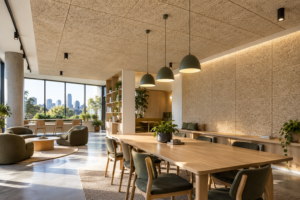
When families compare home care providers, practical discussions often focus on visit times, household tasks and personal preferences. The home environment also deserves attention, particularly when everyday conversations compete with television, kitchen appliances and other background sounds. For households planning renovations, wood wool acoustic panels may be considered as part of a broader approach to managing sound within shared rooms. Any material choice should follow a clear assessment of the space and how its occupants use it. Comparing wood wool panels involves reviewing the complete installation, its documented performance and its suitability for the household.
A calmer home does not necessarily require extensive building work. Often, the first step is understanding which activities overlap, where conversations take place and what makes particular rooms uncomfortable. That information can guide both everyday adjustments and longer-term improvements.
Start with the person’s daily routine
The person receiving assistance should remain central to decisions about their home. A room that appears well organised to a visitor may not suit the occupant’s preferred activities or familiar routines.
For example, the kitchen table may be the preferred place for discussing shopping and appointments. If the dishwasher and television are usually running nearby, simply choosing a quieter time for those conversations may help.
Another person may enjoy listening to the radio while meals are prepared. Removing that familiar background sound without discussion could make a visit less enjoyable. The aim is to understand preferences and manage competing activities thoughtfully.
A useful starting point is to consider a typical support visit. Families and workers can discuss where tasks happen, when quieter conversation is needed and which parts of the routine the person wants to maintain independently.
Separate background noise from room acoustics
Not every sound problem has the same cause. A loud appliance produces noise directly, while a room with many hard surfaces can allow sound to reflect repeatedly.
Turning down a television addresses a sound source. Adding suitable sound-absorbing materials addresses some of the reflections within the room. These measures serve different purposes and may be considered together.
Sound travelling from another room or neighbouring property presents a separate issue. An acoustic ceiling finish should not automatically be treated as soundproofing or assumed to prevent noise passing through walls and doors.
Identifying the actual concern helps avoid unnecessary purchases. If conversations are difficult mainly because several devices operate at once, changes to their use may be a sensible starting point. Persistent concerns during a renovation may warrant assessment by an acoustic professional.
Make practical adjustments before renovating
Several everyday changes can be explored before committing to new finishes. A quieter seating area may provide a better place for discussing appointments, reading correspondence or planning meals.
Television volume and appliance timing can also be reviewed with the occupant. Closing a door between activities may be useful where the layout allows it and doing so suits the person’s needs.
Soft furnishings may form part of the room’s acoustic treatment, but their placement needs care. Rugs, furniture and curtains should be considered alongside clear walking routes, cleaning requirements and the use of mobility equipment.
The goal is a workable arrangement rather than a room filled with additional objects. Any adjustment should preserve convenient access to frequently used items and leave enough space for everyday activities.
Assess acoustic finishes as complete systems
Where building work is already planned, ceiling and wall treatments can be discussed with the designer. Wood fibre acoustic systems offer a textured finish, with mounting methods and backing options that vary between products.
Manufacturer guidance demonstrates that sound absorption depends on the specified construction, including the panel and any backing material. Performance information therefore needs to relate to the proposed installation rather than the visible surface alone.
Relevant questions include how much treatment is required, where it should be installed and whether the supporting structure suits the selected system. Lighting, ventilation outlets and access to services also need coordination.
Maintenance deserves attention before a decision is made. Households can request cleaning instructions, replacement options and documentation relevant to the intended application. Physical samples can help the occupant assess whether the texture and colour feel appropriate for their home.
Keep communication central to support
Environmental improvements should complement clear communication during visits. Asking where a person prefers to talk, allowing time for answers and checking that information has been understood are practical parts of a considerate routine.
Written service arrangements also help establish expectations. My Aged Care advises people to understand their service agreement and raise questions before signing it. Everyday preferences can then be discussed alongside the agreed assistance.
Once changes are introduced, the household can review whether they have made a useful difference. The occupant’s experience matters most: whether conversations feel easier, activities remain enjoyable and support fits comfortably around daily life.