Choosing a Concrete Finish for Outdoor Areas
Comparing concrete paint colours is easier when homeowners consider how a driveway, path or patio connects with the rest of the property. Brickwork, garden beds and adjoining paving all influence whether a shade feels balanced across a large area. Selecting a concrete sealer also requires attention to the existing surface, the intended finish and everyday use. Bringing these decisions together helps create an outdoor area that looks considered and has a practical maintenance plan.
Let the Surroundings Guide the Palette
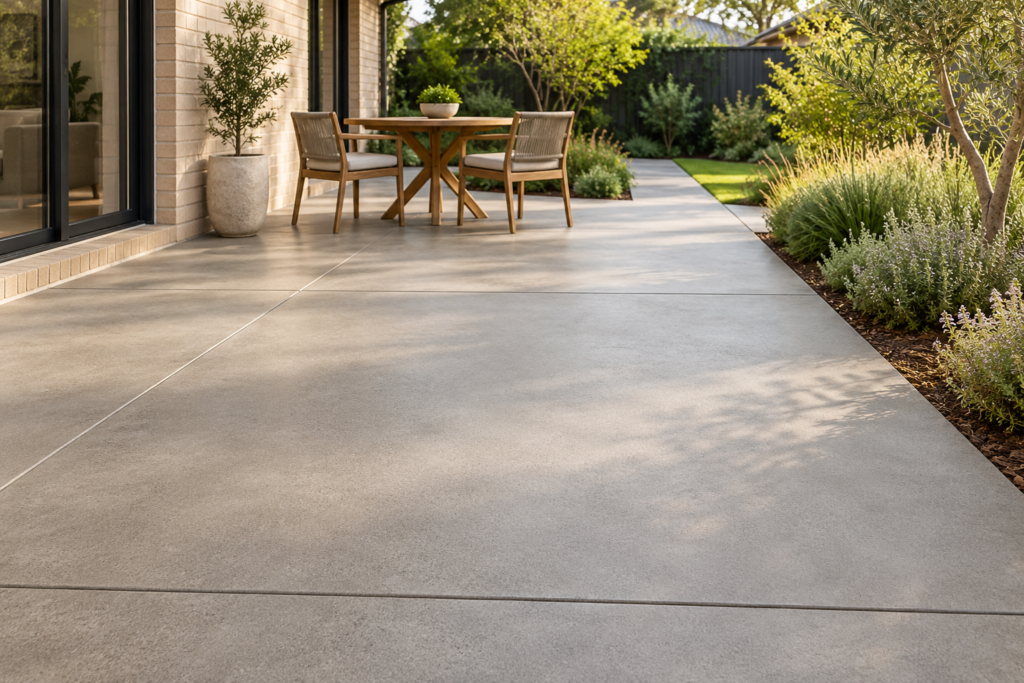
Concrete often occupies a substantial part of an outdoor space. A driveway may dominate the street frontage, while a patio can form the visual centre of a backyard. Its colour therefore deserves the same consideration as other prominent exterior finishes.
A useful starting point is identifying the property’s fixed elements. Roof tiles, exposed brick, stone retaining walls and boundary fencing are usually harder to change than outdoor furniture or planting. Choosing a shade that works with these permanent features gives the overall scheme a more coherent foundation.
Undertones can make a noticeable difference. Two grey samples may look similar separately, yet one may appear blue beside warm brick while another has a brown or beige cast. Viewing shortlisted options against the actual building helps reveal those relationships.
Contrast should also be deliberate. A darker surface can define a driveway against pale walls, while a softer neutral may create a gentler transition between a patio and garden. Neither approach suits every home; the decision depends on which features should stand out.
Compare Samples in Different Light
A colour chart viewed indoors cannot fully represent an outdoor finish. Screens, printed materials and changing light can all affect how a shade appears.
Physical samples provide a more useful reference where available. Homeowners can place them near the proposed work and compare them in direct sunlight, open shade and overcast conditions. Looking from the street or through a rear window also helps assess how the colour will read from familiar viewpoints.
Any trial application should follow the supplier’s instructions and use an appropriately prepared area. The result should be assessed after the specified drying period rather than while the coating is still wet.
Sheen deserves attention alongside colour. A gloss finish reflects light differently from a lower-sheen surface, which can change the overall impression. The available finish should be confirmed for the particular coating system rather than assumed from a colour sample. Some ranges combine decorative colour with a protective film and offer a specified gloss appearance.
Consider How Each Area Is Used
A consistent palette does not mean every outdoor area needs an identical treatment. A sheltered entertaining space, exposed garden path and vehicle driveway have different uses and conditions.
Before seeking advice, homeowners can record the practical demands of each area. These might include regular vehicle access, outdoor dining, nearby irrigation or frequent cleaning. Photographs and approximate measurements make that discussion more specific.
Surface texture also matters. A finish that looks appealing in a photograph still needs to suit the location, particularly where water or sloping ground affects footing. Slip resistance should be discussed with the supplier or applicator, including whether a compatible additive is appropriate for the chosen system.
Transitions deserve similar care. Steps, changes in level and junctions with other paving should remain easy to recognise. The design should be considered from a person’s walking route as well as from a broad landscape view.
Establish What Preparation Is Required
The existing slab helps determine which finishes are suitable. Bare concrete, a previously coated patio and a surface with peeling material should not automatically receive the same preparation.
Useful questions concern the age of the slab, previous treatments and any recurring problems. Where the original coating is unknown, the supplier or contractor should explain how compatibility will be assessed.
Visible cracking, persistent dampness or drainage concerns should be raised before the decorative work is priced. The proposed finish should have a clearly defined purpose, with repairs or further investigation addressed separately where needed.
A detailed quotation can identify cleaning, removal of unsuitable material, repairs, primers where required and application stages. This makes competing proposals easier to compare because the owner can see what work sits behind the final appearance.
Plan Access and Ongoing Care
Even a small project can interrupt normal household access. Driveways, entrances and frequently used paths need a plan for the period when the surface cannot be used.
The contractor should explain the relevant drying and curing stages, including when walking, vehicle access and cleaning may resume. These are separate milestones and should follow the selected product’s instructions.
Once the work is complete, retaining the colour reference, product details and maintenance guidance makes future care more straightforward. Choosing a concrete finish involves comparing colour, sheen and existing surfaces while planning preparation, access and maintenance for outdoor areas.